Reviewing the Butterfly Split Monogram for Real Projects
As a designer who spends more time staring at stitch maps than finished garments, I have learned that not every machine embroidery design is created equal. Some look stunning on a screen but turn into a tangled mess of thread breaks and puckering on fabric. When I first pulled up the Butterfly Split Monogram Embroidery file, my initial reaction was one of cautious optimism. The preview suggested a balance between decorative flair and functional clarity, which is exactly what I need for client work. This isn’t just about aesthetics; it is about whether this embroidery file can hold up under the pressure of a real-world embroidery project.
The First Impression: Mood and Layout
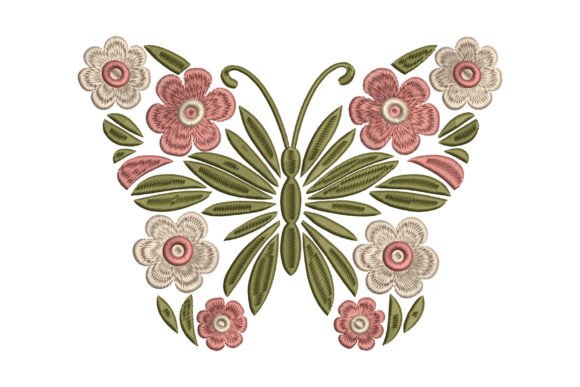
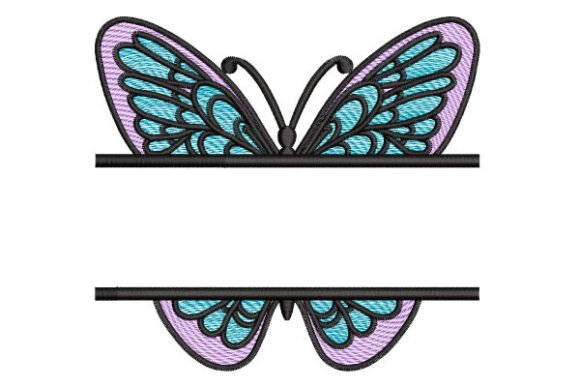
The immediate visual appeal of this design lies in its symmetry and grace. The butterfly motif acts as a frame, creating a natural focal point for the initials or names placed in the center. From a design perspective, this split layout is clever because it allows the text to breathe while still feeling integrated with the graphic element. It creates a mood that is timeless and slightly romantic, making it an ideal candidate for personalized gifts where sentiment matters.
However, beauty in digital form does not always translate to beauty in thread. I looked closely at the transition points where the butterfly wings meet the text area. In many poorly constructed designs, these junctions become dense clusters of stitches that can cause needle deflection. Here, the spacing appears intentional, suggesting that the digitizer considered how the satin stitch outlines would interact with the fill stitch areas of the wings. For a craft business owner, this attention to detail is crucial because it reduces the risk of production errors during bulk orders.
Real-World Application: From Tote Bags to Baby Items
To truly evaluate the Butterfly Split Monogram Embroidery, I imagined it in several common scenarios. Let’s start with a custom embroidered tote bag. Canvas is a sturdy fabric, but it has a distinct texture. A design with too much fine detail can get lost in the weave. This monogram, with its bold butterfly silhouette, should stand out well against heavy cotton or linen. The open space for the name ensures legibility, which is vital for a handmade product that needs to communicate personalization clearly.
Moving to custom apparel, such as a sweatshirt or t-shirt, the considerations change. Sweatshirts are thick and often have a nap. If the stitch density is too high, the garment will feel stiff and uncomfortable. If it is too low, the fabric might show through. Based on the visual weight of the butterfly, this design seems balanced for medium-weight fabrics. It would likely perform well as a chest logo or a sleeve accent. For baby embroidery, such as on a onesie or burp cloth, the softness of the thread and the lack of overly sharp corners in the butterfly shape make it a safe and gentle choice. Parents appreciate designs that look delicate but are durable enough for washing.
I also considered its use in home decor, specifically kitchen towels. Towels are washed frequently and subjected to heat. A design that relies heavily on long satin stitches without proper underlay can loosen over time. The compact nature of this split monogram suggests it should hold up well, provided the correct stabilizer is used. It fits perfectly into the category of holiday embroidery or wedding gifts, where a touch of elegance elevates a simple item into a cherished keepsake.
Technical Considerations and Potential Pitfalls
While the design is versatile, it is not without its challenges. As an experienced reviewer, I must point out where caution is needed. First, consider the hoop size. If you are working with a small hoop, ensure that the outer edges of the butterfly wings do not get cut off or distorted by the hoop tension. Always check the dimensions of the digital embroidery file against your machine’s capabilities before starting.
Fabric choice is another critical factor. On thin or stretchy fabrics, such as jersey knits or silk, this design could cause puckering if not stabilized properly. The butterfly wings likely contain a mix of stitch types, including running stitch details for veins or outlines. These fine lines require a stable foundation. I recommend using a cut-away stabilizer for stretchy materials and a tear-away for woven fabrics that will not be washed aggressively. For dark fabrics, pay close attention to thread colors. A light-colored thread on dark fabric can highlight any minor inconsistencies in stitch placement, so precision is key.
Additionally, be mindful of curved surfaces like caps. Embroidering a flat design on a curved brim can distort the shape of the butterfly. It may appear stretched or compressed depending on the angle. For embroidered patch creation, however, this design would excel because the backing provides a rigid surface that maintains the integrity of the shape.
Commercial Value and Brand Consistency
For Etsy sellers and small shop owners, the visual impact of a design directly influences buyer engagement. The Butterfly Split Monogram Embroidery offers a professional look that enhances brand consistency. It is elegant enough for boutique branding yet approachable for everyday items. When creating printable mockup assets for your online store, this design photographs well because of its clear lines and balanced composition. It helps build customer trust by showcasing a high-quality finished product that looks intentional and well-crafted.
From a commercial standpoint, this design fits into the Bugs category of nature-inspired motifs, which remain perennially popular. However, its primary function as a monogram maker adds value beyond mere decoration. It allows customers to insert their own identity into the product, increasing the perceived value and giftability. This is a powerful tool for commercial embroidery businesses looking to offer personalized options without creating custom digitizations from scratch for every order.
Practical Designer Notes for Best Results
Before committing to a full production run, I always advise testing the design on scrap fabric. This simple step can save hours of frustration. Check the thread color contrast to ensure the butterfly stands out against the background. Review the stitch density in your software to see if any areas are overly concentrated. If you are selling the design assets or the finished items, confirm the licensing terms. Ensure that the embroidery file allows for commercial use if you plan to sell the resulting products.
Test the design in black and white mockups to evaluate its structural integrity without the distraction of color. Compare how it looks on both light and dark fabric backgrounds to determine if you need to adjust underlay settings. Use the appropriate stabilizer for each fabric type, and never underestimate the importance of proper hooping. Finally, inspect the small details after stitching. Are the wing tips sharp? Is the text legible? These small observations define the difference between an amateur attempt and a professional small shop product.
In conclusion, the Butterfly Split Monogram Embroidery is a thoughtful addition to any designer’s library. It balances aesthetic charm with practical usability, making it suitable for a wide range of applications from tote bag design to sweatshirt embroidery. By understanding its strengths and respecting its technical requirements, you can create beautiful, durable, and commercially viable products that resonate with your customers.