Reviewing the Funny Buffalo Embroidery Design
As a designer who spends more time staring at stitch simulations than actual fabric, I have developed a keen eye for what works in the hoop and what ends up as a tangled mess of thread. When I first loaded the Funny Buffalo Embroidery Design into my software, I was not looking for perfection; I was looking for personality. In the world of Farm Animals themed Embroidery, it is easy to fall into the trap of generic, stiff imagery. This design, however, immediately struck me as having the kind of whimsical charm that sells.
First Impressions and Visual Personality
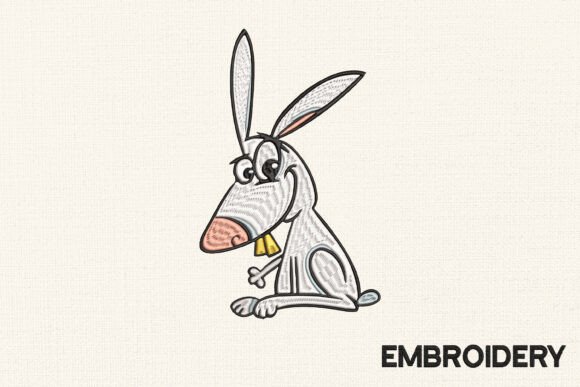
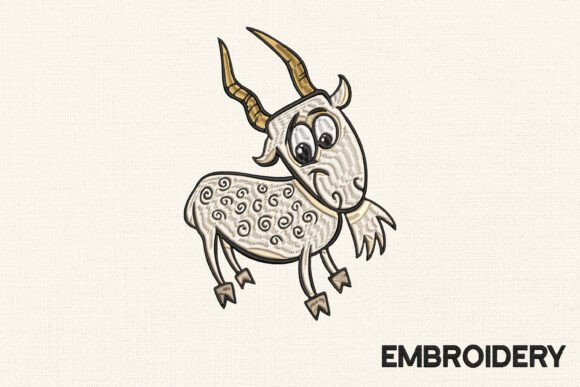
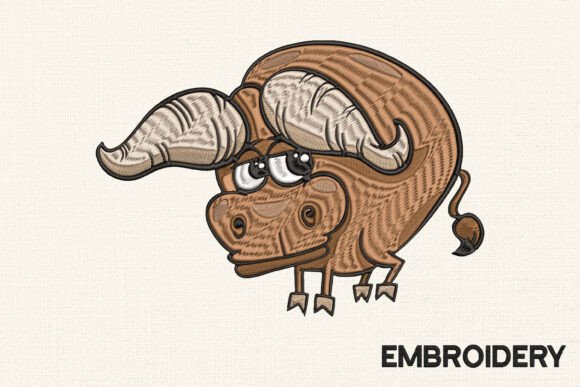
The initial layout of this machine embroidery design suggests a playful approach. The silhouette is distinct, avoiding the overly complex detailing that often plagues digital files intended for small hoops. What stands out is the balance between character and clarity. The facial expression, which gives the piece its "funny" title, relies on clean lines rather than excessive satin stitch density. This is crucial. Overly dense stitching on a cartoonish animal can make the fabric pucker, ruining the very humor the design aims to convey.
For those of us creating design assets for clients, the visual weight matters. This buffalo does not look heavy. It feels light-hearted, making it an ideal candidate for items where comfort and aesthetics intersect. Whether you are a seasoned Etsy seller or a hobbyist making gifts for friends, the immediate appeal lies in its approachability. It does not scream "look at me"; it whispers "smile at me."
Real-World Application: The Tote Bag Test
To truly evaluate an embroidery file, you must imagine it in motion. I recently considered this design for a custom order involving canvas tote bags. Canvas is a forgiving fabric, but it has a pronounced fabric texture that can swallow fine details. I simulated the Funny Buffalo Embroidery Design on a medium-weight cotton canvas. The result was promising. The thicker outlines held up well against the weave of the material, ensuring the buffalo remained recognizable even from a distance.
This scenario highlights why this design is versatile. It is not just for delicate baby items. It has the structural integrity to work on sturdy goods like tote bag design projects or kitchen towels. For a small shop product, this versatility is gold. You can offer the same design on a variety of materials without worrying that the stitch count will overwhelm a thin tea towel or get lost on a thick denim jacket.
Apparel and Wearable Comfort
When moving to custom apparel, such as sweatshirts or t-shirts, the hand-feel becomes paramount. No customer wants a scratchy patch of thread on their chest. Because this design leans towards a simpler aesthetic, it likely utilizes a mix of fill stitch and running stitches rather than solid blocks of satin. This reduces the stiffness of the finished product. I would confidently place this on a child’s onesie or a adult’s hoodie. The baby embroidery market, in particular, favors designs that are soft to the touch, and this buffalo fits that bill perfectly.
For sweatshirt embroidery, consider the placement. A left-chest placement allows the design to breathe, while a large back print might require scaling up. Always check how the design scales. If the funny expression relies on tiny details, enlarging it too much might reveal pixelation or jagged edges in the stitch path. Keep it proportional to maintain its charm.
Navigating Technical Challenges
While the design is robust, no digital embroidery file is immune to poor execution. There are specific scenarios where you must proceed with caution. First, consider hoop size. If you are working with a 4x4 inch hoop, ensure the design fits comfortably with room for stabilization. Cramping a design near the edge of the hoop can lead to distortion.
Second, think about thread colors. The humor in this design likely depends on contrast. Using muted tones on a dark fabric might render the buffalo invisible. I recommend testing high-contrast combinations first. A bright white or cream thread on navy or black fabric will make the design pop. Conversely, if you are stitching on a light heather gray shirt, choose a darker thread to define the shape. Always create a printable mockup in black and white to check value contrast before threading your machine.
Textured fabrics like terry cloth towels require extra attention. The loops of the towel can hide small stitches. For these projects, using a topping stabilizer is non-negotiable. It keeps the stitches on top of the fibers, ensuring the Funny Buffalo Embroidery Design remains crisp and legible. Without it, the design may look fuzzy and lose its defined character.
Commercial Viability and Branding
For commercial embroidery professionals, consistency is key. This design offers a reliable template for building a cohesive brand identity. If you are selling personalized gift items, adding a name below the buffalo can enhance the perceived value. However, be mindful of font pairing. A playful, rounded font complements the buffalo’s mood better than a severe serif typeface. The goal is to create a harmonious embroidery project that feels intentional.
Buyer engagement often hinges on uniqueness. While farm animals are common, a "funny" take distinguishes your craft business from competitors offering standard livestock imagery. It invites interaction. Customers are more likely to share photos of a humorous design on social media, providing organic marketing for your small shop product line.
Practical Designer Notes
Before you commit to a full production run, follow these steps to ensure quality:
- Test on scrap fabric: Never stitch directly on your final garment. Use the same material and weight to check for puckering or thread breaks.
- Check stitch density: Review the color sequence in your software. If one area is excessively dense, consider adding underlay stitches or adjusting the tension.
- Verify licensing: Ensure the license terms allow for commercial use if you plan to sell finished items. Most designers provide clear guidelines, but always read them.
- Stabilizer selection: Match your stabilizer to the fabric. Cut-away for stretchy knits, tear-away for stable wovens. This prevents distortion after washing.
- Inspect small details: Zoom in on the eyes and mouth. Ensure there are no stray stitches or jumps that could unravel over time.
In conclusion, the Funny Buffalo Embroidery Design is a solid addition to any designer’s library. It balances whimsy with technical practicality, making it suitable for a wide range of applications from holiday embroidery gifts to everyday embroidered patch creations. By respecting the material constraints and paying attention to detail, you can transform this digital asset into a tangible product that brings joy to your customers. It is not just about stitching thread into fabric; it is about crafting a moment of delight, and this buffalo delivers exactly that.